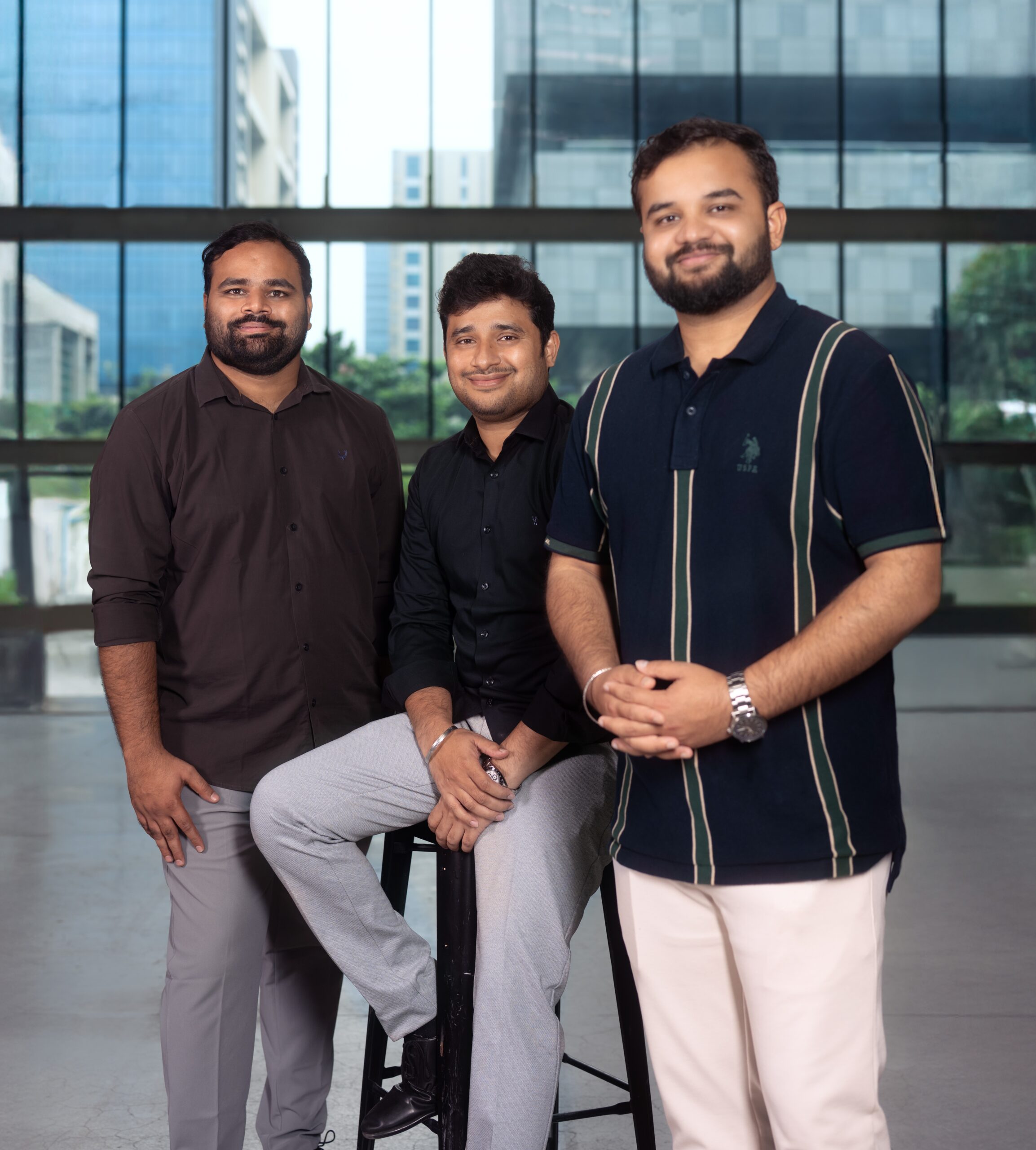
Hyderabad-based deep-tech startup Xbattery has raised USD 2.3m in a seed funding round led by the Bipin Patel Family Office, with additional participation from Jhaveri Credits. The company, which is developing next-generation Battery Management Systems (BMS), said the capital will be used to accelerate research and development, strengthen hardware sourcing, expand its engineering team and scale prototype manufacturing ahead of early commercial orders.
Founded by Satish Reddy, Sonu Mishra and Varshith Rao, Xbattery aims to build a domestically engineered alternative to high-cost imported BMS technologies. The company is positioning itself as a strategic contributor to India’s rapidly expanding clean-energy and electric-mobility sectors by offering a unified, adaptable BMS platform designed specifically for Indian conditions.
India currently generates about 40% of its electricity from renewable sources and plans to lift this to 50% by 2030, supported by 500 gigawatts of clean-energy capacity. But the intermittent nature of wind and solar power has created a pressing need for large-scale storage. Industry forecasts suggest India’s energy-storage market — spanning grid batteries, EVs and UPS systems — could reach USD 12–15bn by 2030. Xbattery plans to plug this gap with its flagship product, BharatBMS, a unified platform for both electric vehicles and stationary storage systems.
The company said the fresh funding will fast-track its efforts to commercialise the technology. Early-stage investor and mentor Dhiraj Kumar Sinha advised on the transaction.
“Self-reliance in battery electronics is critical for India,” said founder and CEO Satish Reddy. “Deep-tech requires serious R&D investment, and this funding allows us to bring our technology to market.”
Co-founder and CTO Sonu Mishra described BharatBMS as “a commitment to India’s clean-energy transition”, while Preet Patel of the Bipin Patel Family Office said the firm is backing Xbattery to help build India’s first high-voltage, home-grown BMS platform.
The startup plans to first scale within India before exploring export opportunities in Europe and North America.