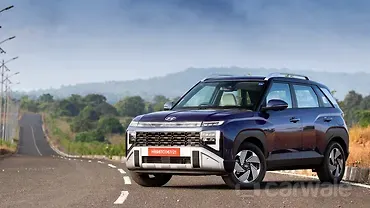
Hyundai Motor India Limited says it is preparing for a new phase of growth, underpinned by capacity expansion, premium product focus, and steady financial performance.
The carmaker plans to increase its production capacity to around 1.1 million units annually by the financial year 2028. This expansion, including ramp-up at its Pune facility, is expected to support a pipeline of seven new models. Sport utility vehicles (SUVs), which already account for roughly 70% of domestic sales, are projected to rise to 80% by 2030, reflecting a broader shift towards premiumisation in the Indian market.
The company is also seeking to address gaps in multi-purpose vehicles (MPVs), electric vehicles (EVs), and hybrid offerings, while strengthening its presence in rural markets. By 2030, HMIL aims for EVs to contribute about 16% of sales, hybrids 15%, and compressed natural gas (CNG) vehicles 20%, aligning with evolving consumer preferences and regulatory requirements.
India continues to play a strategic role as an export hub for Hyundai. HMIL is targeting exports to account for 30% of total volumes, up from an estimated 22% in FY25, leveraging cost competitiveness and demand for feature-rich vehicles in global markets.
Margins have improved due to increased localisation, with domestic sourcing rising to approximately 84% by the third quarter of FY26. The company aims to reach 90% localisation by FY30, helping mitigate foreign exchange risks and royalty costs.
HMIL plans capital expenditure of around Rs 450 billion between FY26 and FY30, split between research and development and capacity expansion. Analysts value the stock at 26 times projected FY28 earnings, assigning a “buy” recommendation with a target price of Rs 2,287, citing steady cash flows and limited margin pressure despite growth investments.