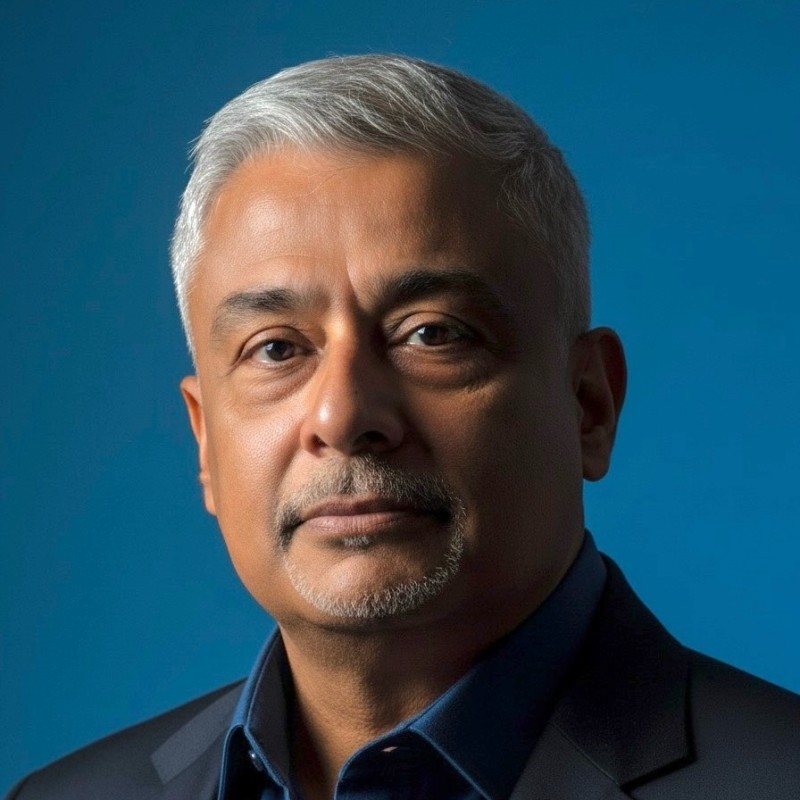
Ayekart, an India-based farm-to-fork digital infrastructure company, on Monday said it has appointed Vikas Varma as strategic advisor and mentor as it scales its technology-led agri-food supply chain platform.
Varma will work closely with Ayekart’s founders and senior leadership to advise on the company’s growth strategy, including go-to-market execution, commercialisation, partnerships, talent development and business governance. He will also provide guidance on strengthening the company’s technology architecture to support long-term scalability and operational resilience.
Varma brings over three decades of experience across payments, fintech, cybersecurity, software-as-a-service and consumer technology. A former Fortune 500 executive, he has held senior leadership roles in building and scaling large digital platforms in India and across South Asia.
He previously served as chief operating officer for South Asia at Mastercard, where he played a key role in expanding the adoption of digital payments and platform-based financial services in the region. During his tenure, Varma worked closely with banks, fintech firms, regulators and technology partners on several large-scale payment digitisation initiatives, contributing to the development of India’s digital financial infrastructure.
Ayekart said the appointment comes as it continues to expand its full-stack digital infrastructure across the agri-food value chain, integrating technology to improve efficiency, transparency and trust between farmers, aggregators, processors and buyers.
“As we scale our farm-to-fork infrastructure, technology is central to creating efficiency and transparency across the ecosystem,” Debarshi Dutta, co-founder and chief executive officer of Ayekart, said in a statement. “Vikas Varma’s experience in building large digital ecosystems and long-term partnerships aligns well with our vision of creating scalable and resilient platforms.”
Varma said Ayekart’s approach demonstrates how technology, ecosystem collaboration and disciplined execution can be combined to build sustainable infrastructure for the agri-food economy.
“Going forward, the focus will be on strengthening scalable platforms, trusted partnerships and robust governance frameworks to support responsible long-term growth,” he said.