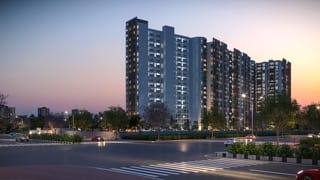
India’s real estate market is undergoing a significant shift, with tier-2 cities emerging as attractive alternatives to expensive metro areas. Driven by improved infrastructure, new job opportunities, better connectivity, and more affordable prices, these locations are drawing both homebuyers and investors seeking strong long-term returns and better quality of life.
Here are five of the leading emerging hotspots in 2026:
Indore (Madhya Pradesh) continues to top many lists as India’s cleanest city and a rising economic powerhouse. Its strong startup ecosystem, industrial corridors linking it to major cities, and consistent infrastructure upgrades have boosted demand. Property prices remain relatively affordable, offering good rental yields and capital appreciation for investors.Lucknow (Uttar Pradesh) is benefiting from massive government investments, including metro expansions, expressways, and IT parks.
As a political and administrative hub with growing manufacturing and education sectors, it attracts professionals and families. Real estate here has seen steady price growth, making it a favourite for both end-users and long-term investors.
Jaipur (Rajasthan) combines heritage charm with modern development. Enhanced airport connectivity, new highways, and a booming tourism and IT sector are fuelling residential and commercial demand. Investors are particularly keen on its mix of affordable housing and premium projects in emerging suburbs.
Coimbatore (Tamil Nadu), often called the Manchester of South India, is thriving on manufacturing, textiles, and education. New industrial projects and improved infrastructure are drawing businesses and workers, pushing up residential demand while prices remain competitive compared to Chennai or Bengaluru.
Ahmedabad (Gujarat) stands out for its robust industrial base, smart city initiatives, and strong connectivity through the Delhi-Mumbai Industrial Corridor.
The city’s business-friendly environment and rising entrepreneurial activity make it a solid bet for steady appreciation and rental income.Experts say these cities are delivering higher percentage returns than many saturated metros because of lower entry costs and faster infrastructure-led growth. With continued policy support and economic expansion, tier-2 real estate is expected to remain a key investment theme in the coming years.