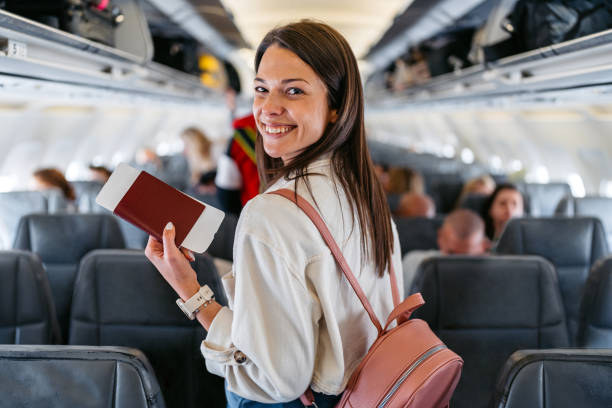
Indian travellers continue to view travel as an important source of happiness and wellbeing, despite concerns over rising costs, disruptions and global uncertainty, according to a new study by Booking.com.
The company’s inaugural Travel Happiness Index surveyed 10,000 travellers across 10 Asia-Pacific markets, including India. It found that 99% of Indian respondents associate travel with positive emotions, while 90% said having a trip to look forward to improves their mood.
The study also highlighted the importance of planning. About 82% of Indian travellers said travel was essential to their happiness and wellbeing, while the same proportion said planning helped them feel more in control. Some 80% preferred to organise their itineraries in advance.
Family and meaningful experiences were among the main reasons for travelling. About 41% said spending time with family and loved ones was a key motivation, followed by taking a break from daily routines and seeking food and dining experiences.
Travellers are also placing greater value on simple and authentic experiences. The survey found that 78% prioritised local food and meaningful activities, while 71% said they would extend trips to allow more time to relax and enjoy their destination.
Despite concerns over extreme weather, health risks, crime, inflation and political instability, most respondents remained willing to travel. About 70% said they felt more confident about being able to afford travel than before.
Disruptions also appeared less likely to lead to cancellations. Some 96% said they would adapt their plans instead, including changing destinations, postponing trips or adjusting travel dates and duration.
Technology is playing an increasingly important role in the process. About 84% said digital tools made planning and booking easier, while 87% felt more comfortable using a trusted platform.
Santosh Kumar, Regional Head, South Asia at Booking.com, said Indian travellers were becoming more deliberate in how they planned trips, with greater emphasis on wellbeing, relationships and authentic experiences.
The findings suggest that uncertainty is changing how Indians travel, rather than reducing their appetite for travel.